THE STORIES BEHIND THE WORKThere is no single story that explains who I am.
Veterinarian. Educator. Traveler. Dancer. Photographer. Gardener.
Every one of these is simply part of who I am — and there's room here for the stories that haven't happened yet. This page isn't a biography so much as a collection of the threads that run through everything I do.
Beyond the Lecture HallA professional identity is only one part of a whole human life.
For a long time, veterinary medicine modeled careers that left very little room for anything else. I fell into that pattern myself, for years. What follows are a few of the things that have pulled me back outside of the profession — not because they make me a better veterinarian, but because they make me a fuller person.
Travel & Curiosity
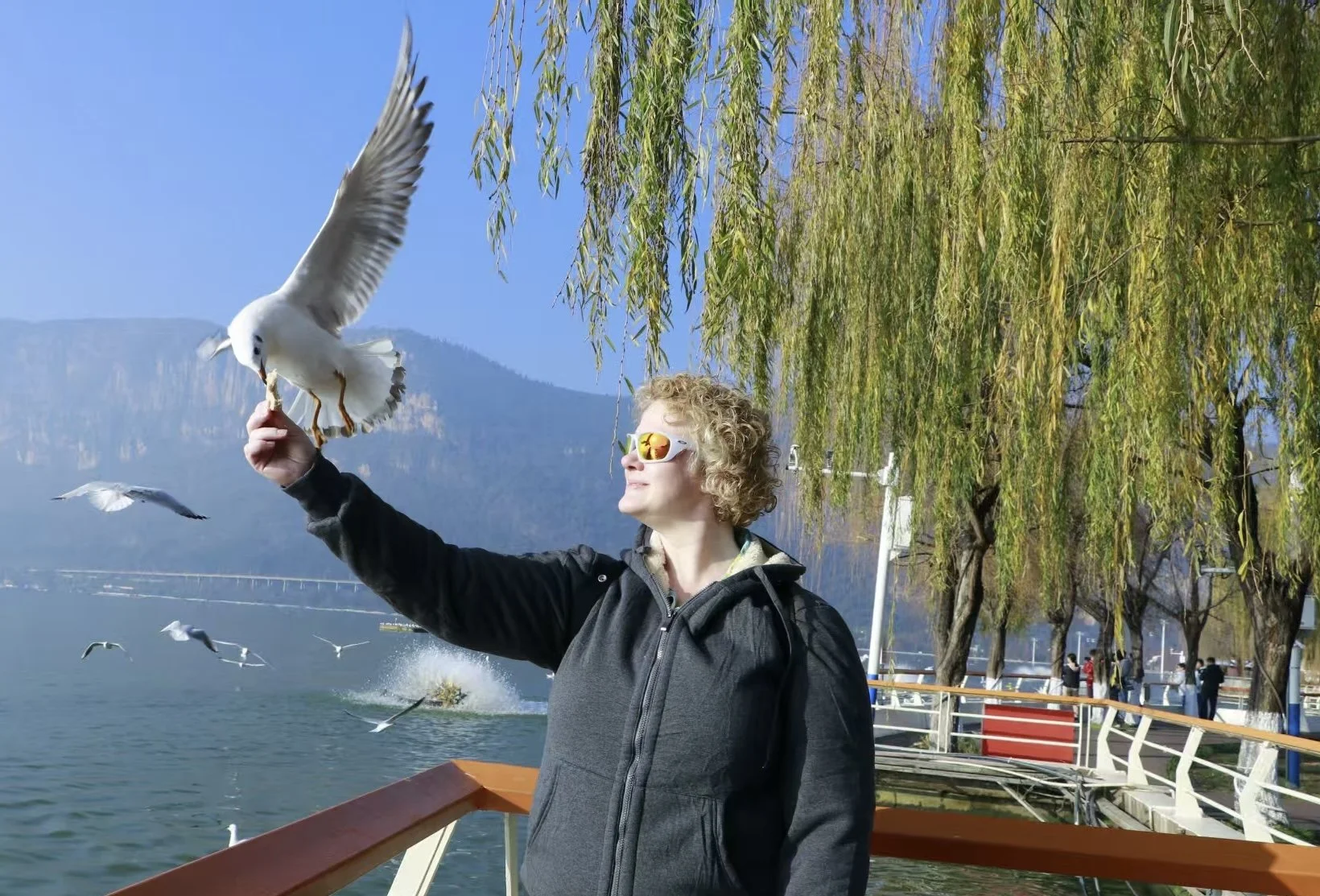
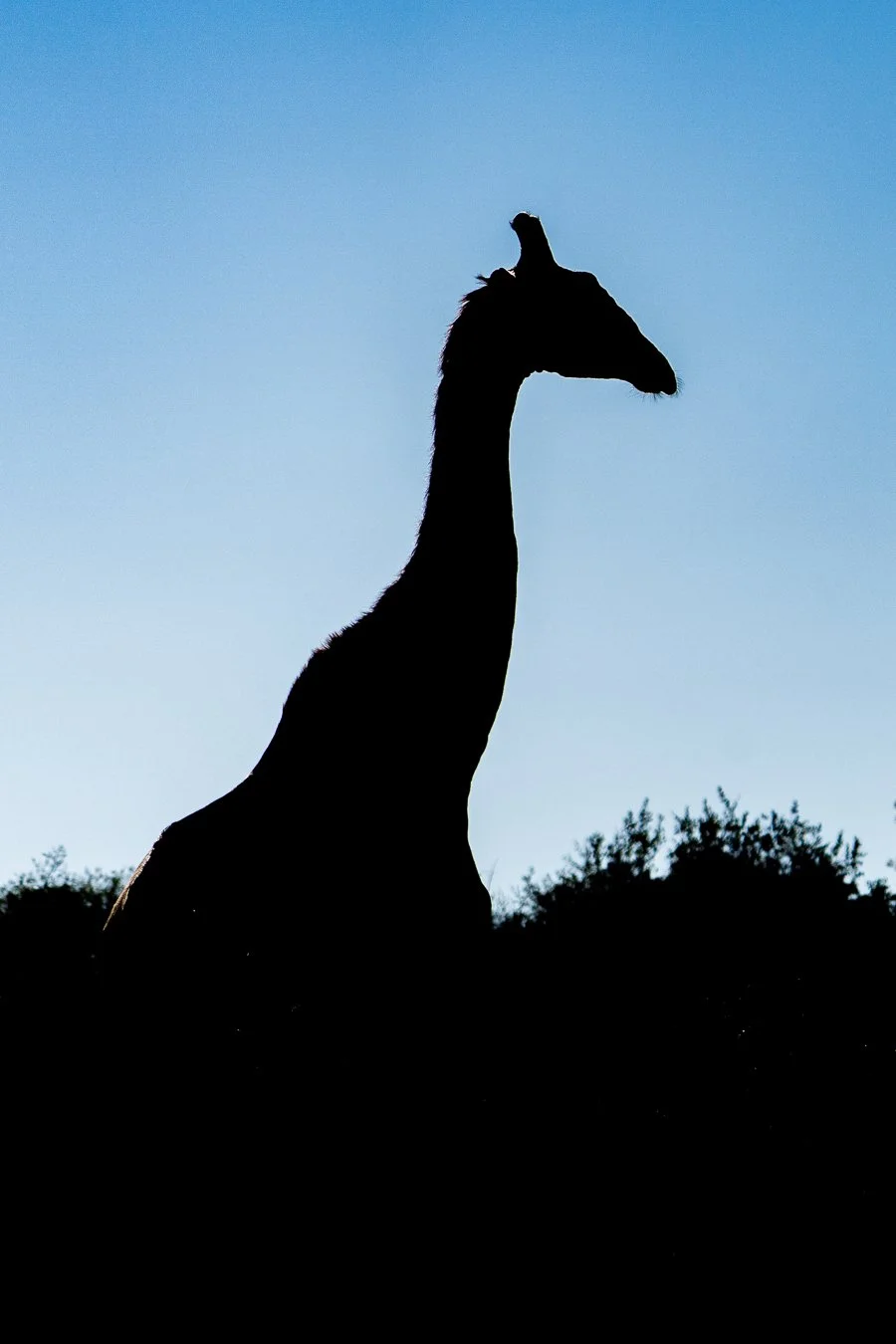
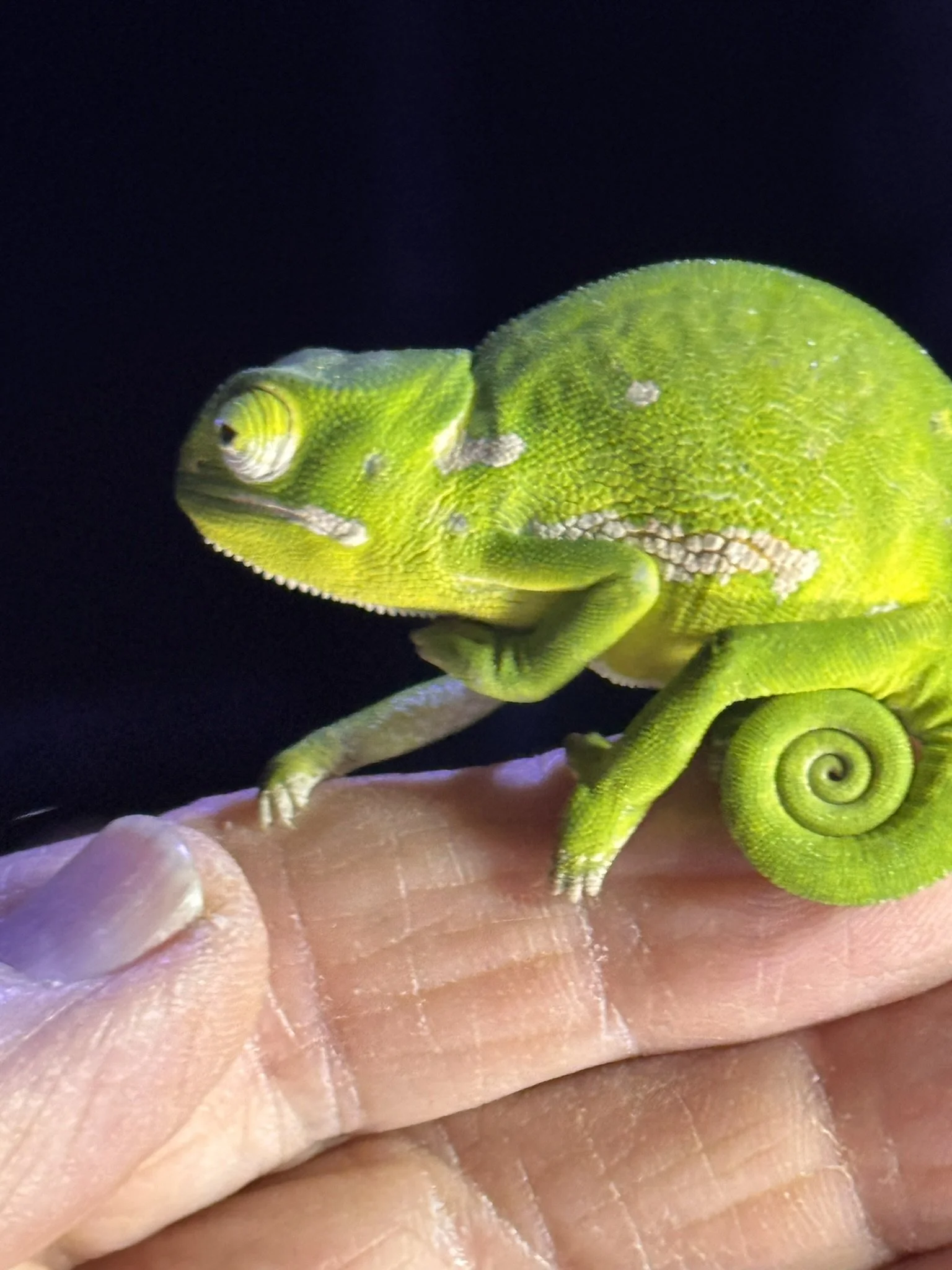
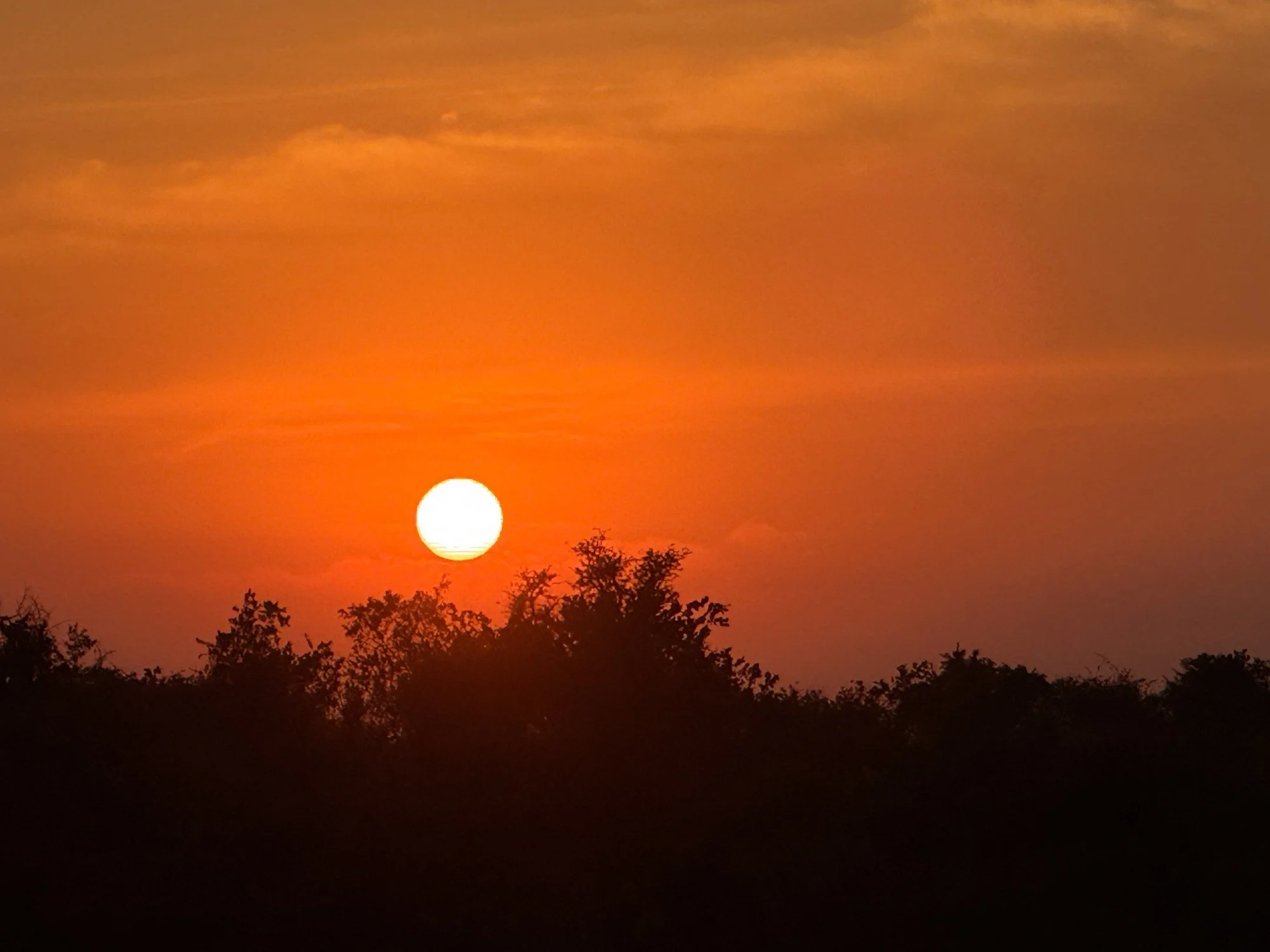
I've taught and traveled across four continents, and the two habits have become impossible to separate. Some of my favorite teaching memories come from places far from home — feeding gulls from the shoreline in Kunming, China, watching a giraffe against a South African sky at dusk, standing very still while a chameleon decided whether my hand was safe to trust. Curiosity, it turns out, travels well.
Dance
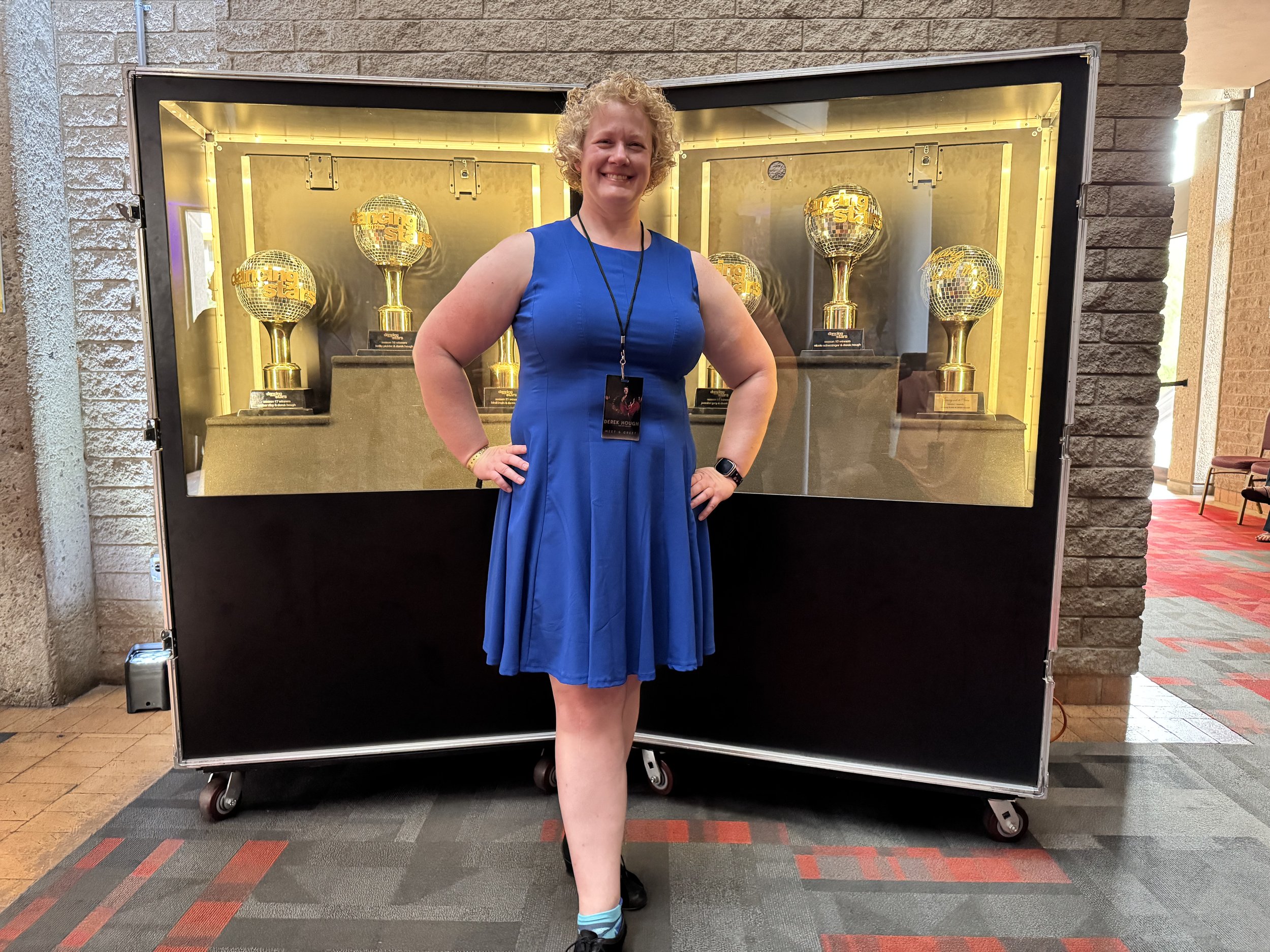
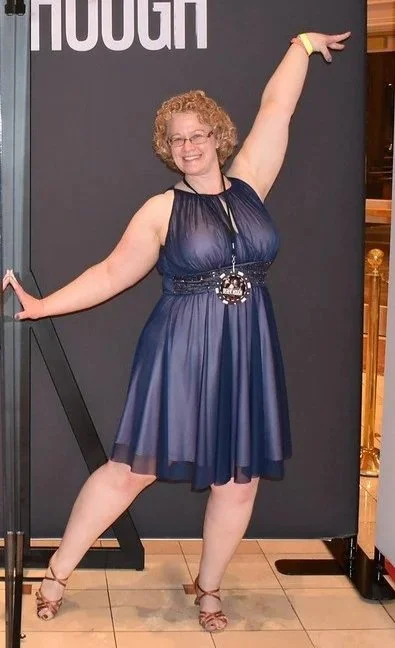
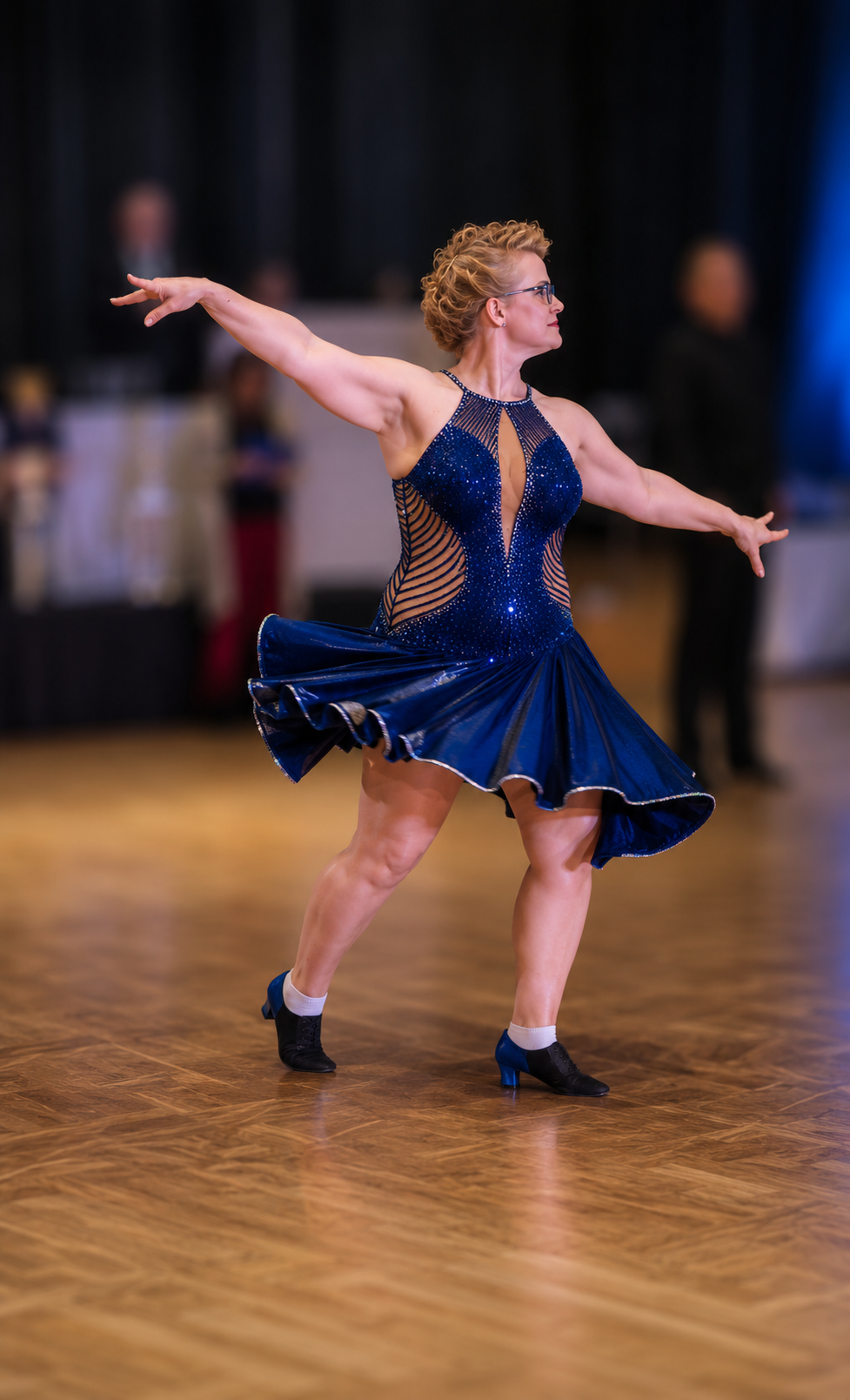
Ballroom dance found me later in life than most people expect, and it has taught me things about partnership, trust, and recovering gracefully from a misstep that no textbook ever could. I’ve also drawn inspiration from listening to Derek Hough during pre-show Q&As. His perspective on life, creativity, and continuing to grow has stayed with me in ways I didn’t expect. And I’ve even had the absolute thrill of dancing salsa with him during VIP pre-show experiences — moments that still make me smile.
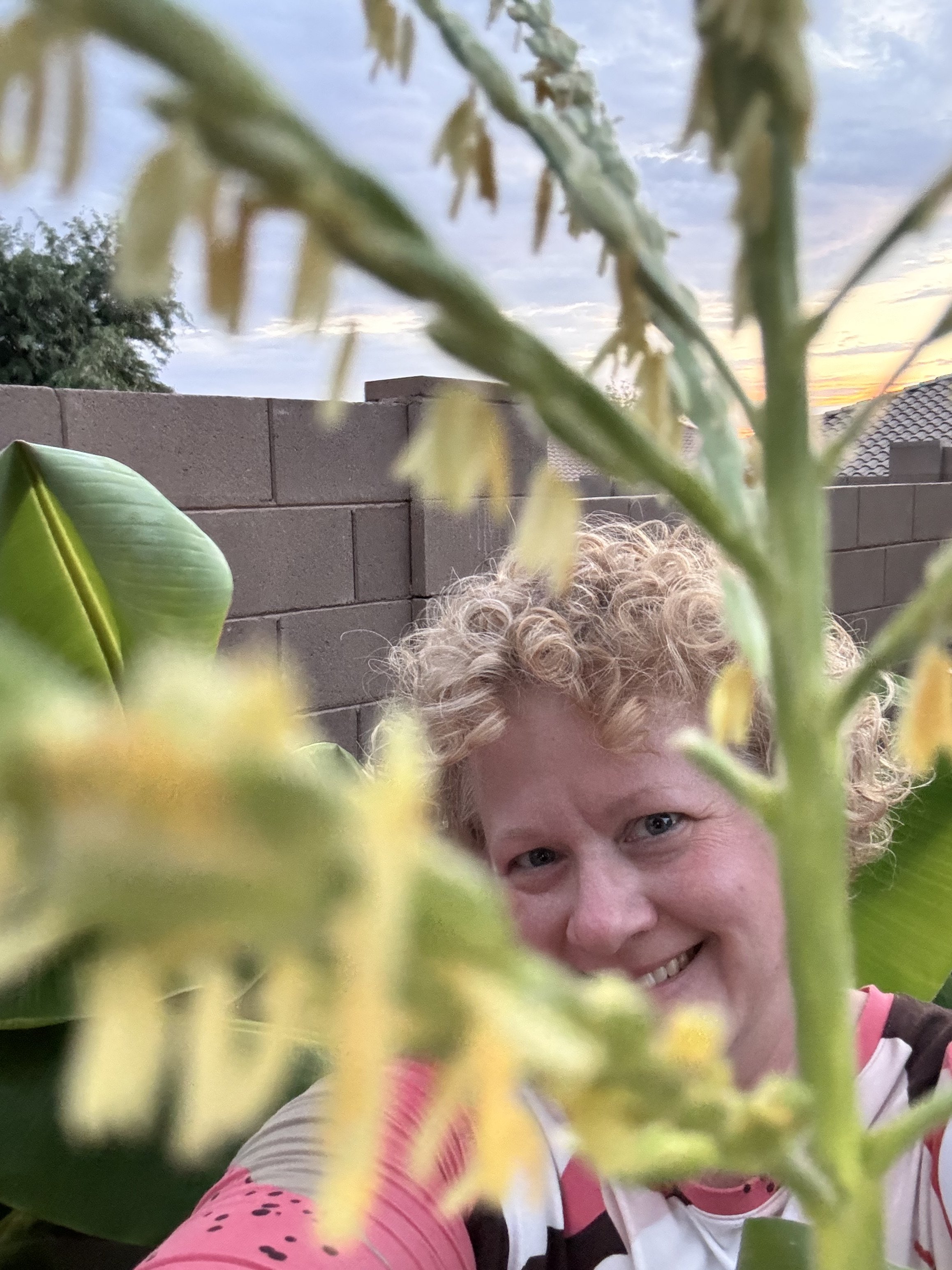
The Orchard
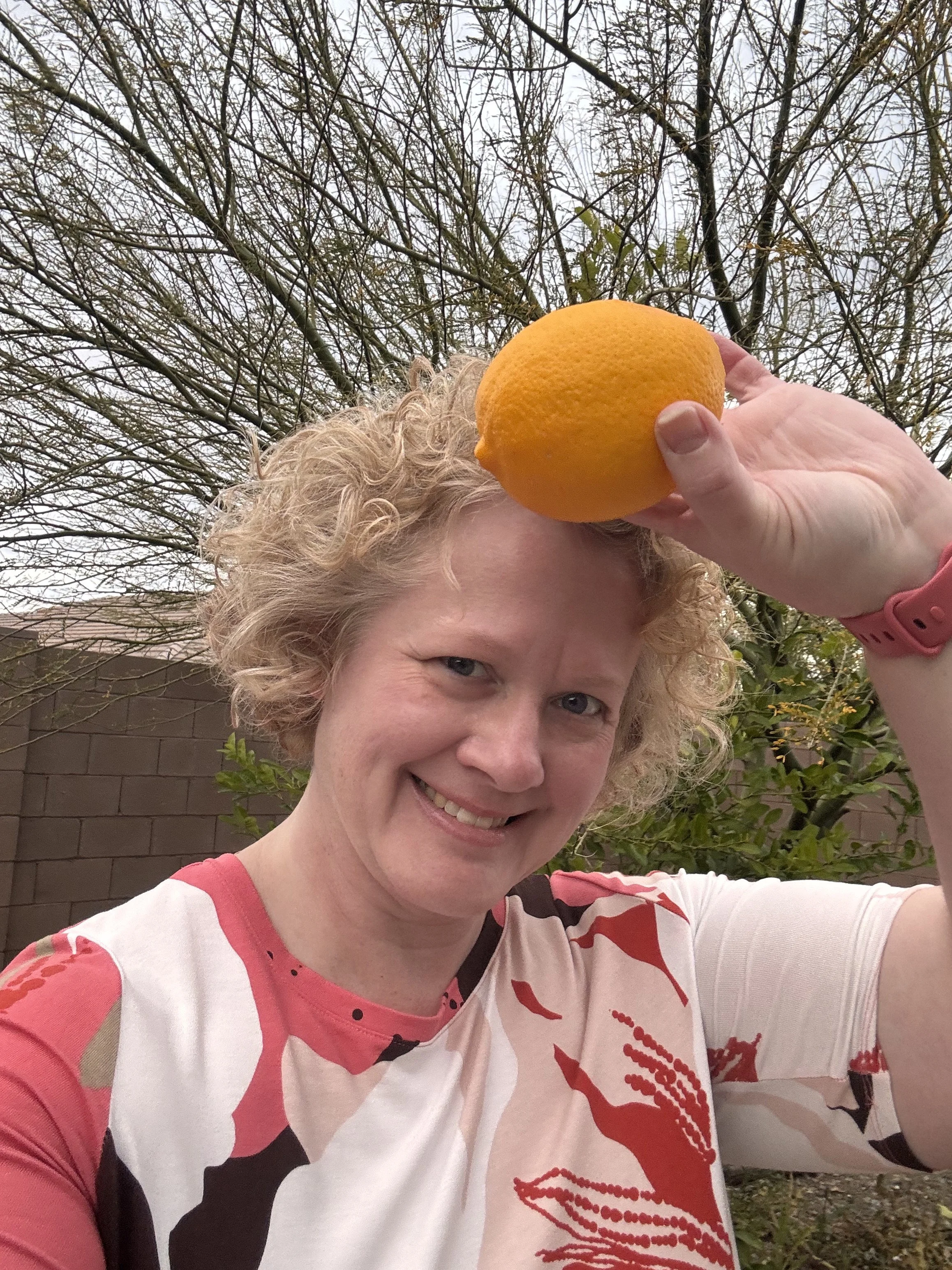
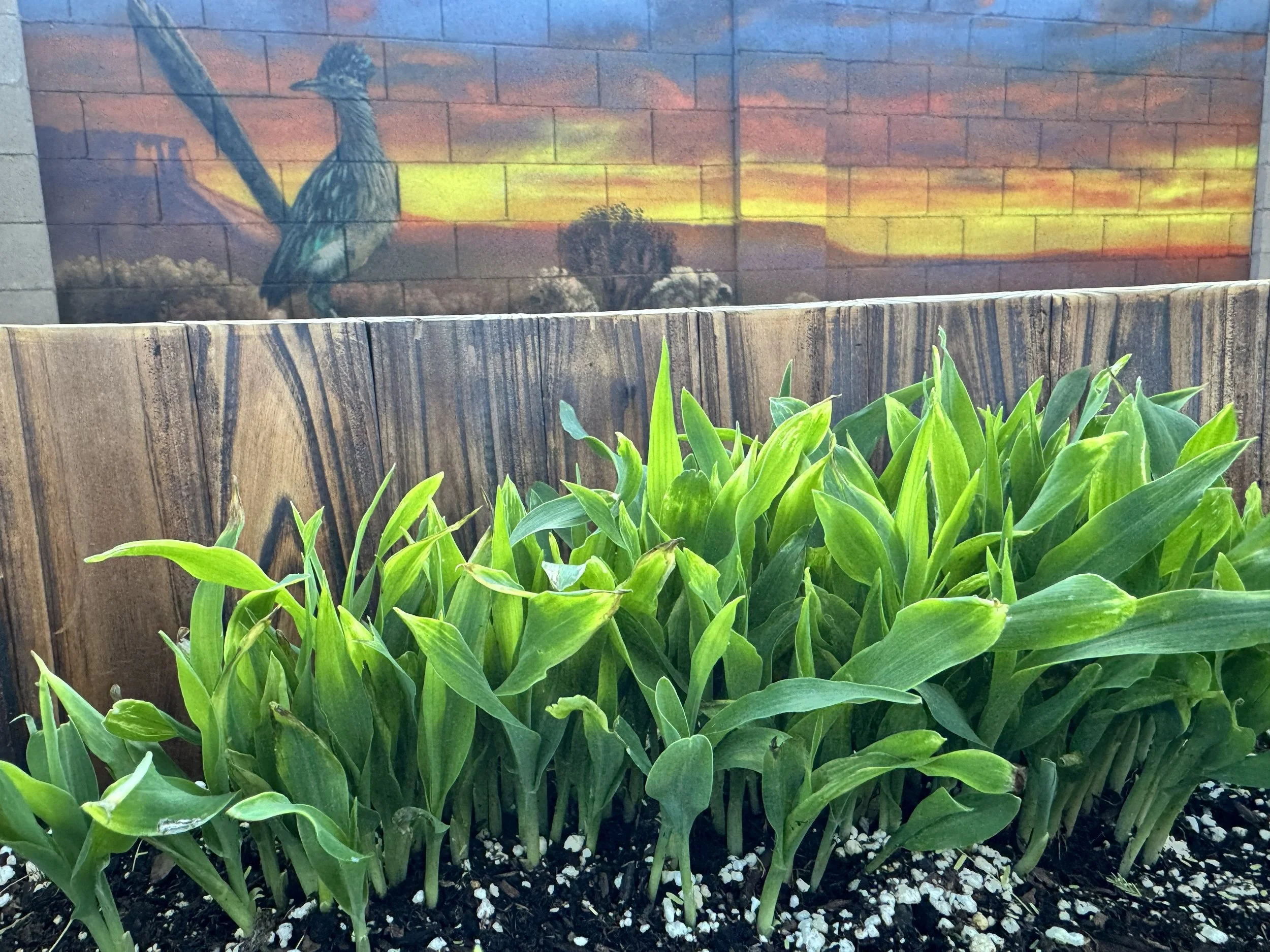
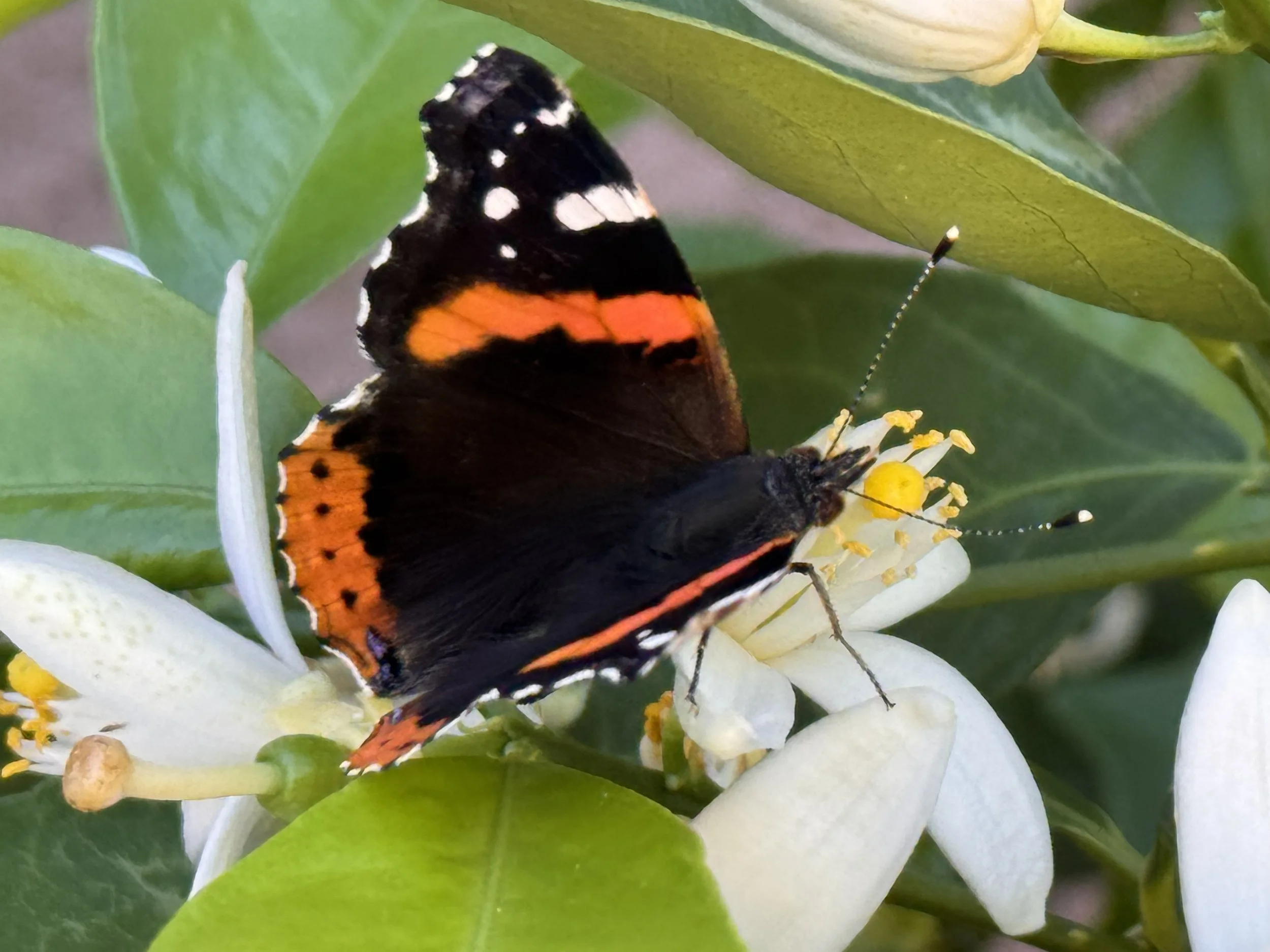
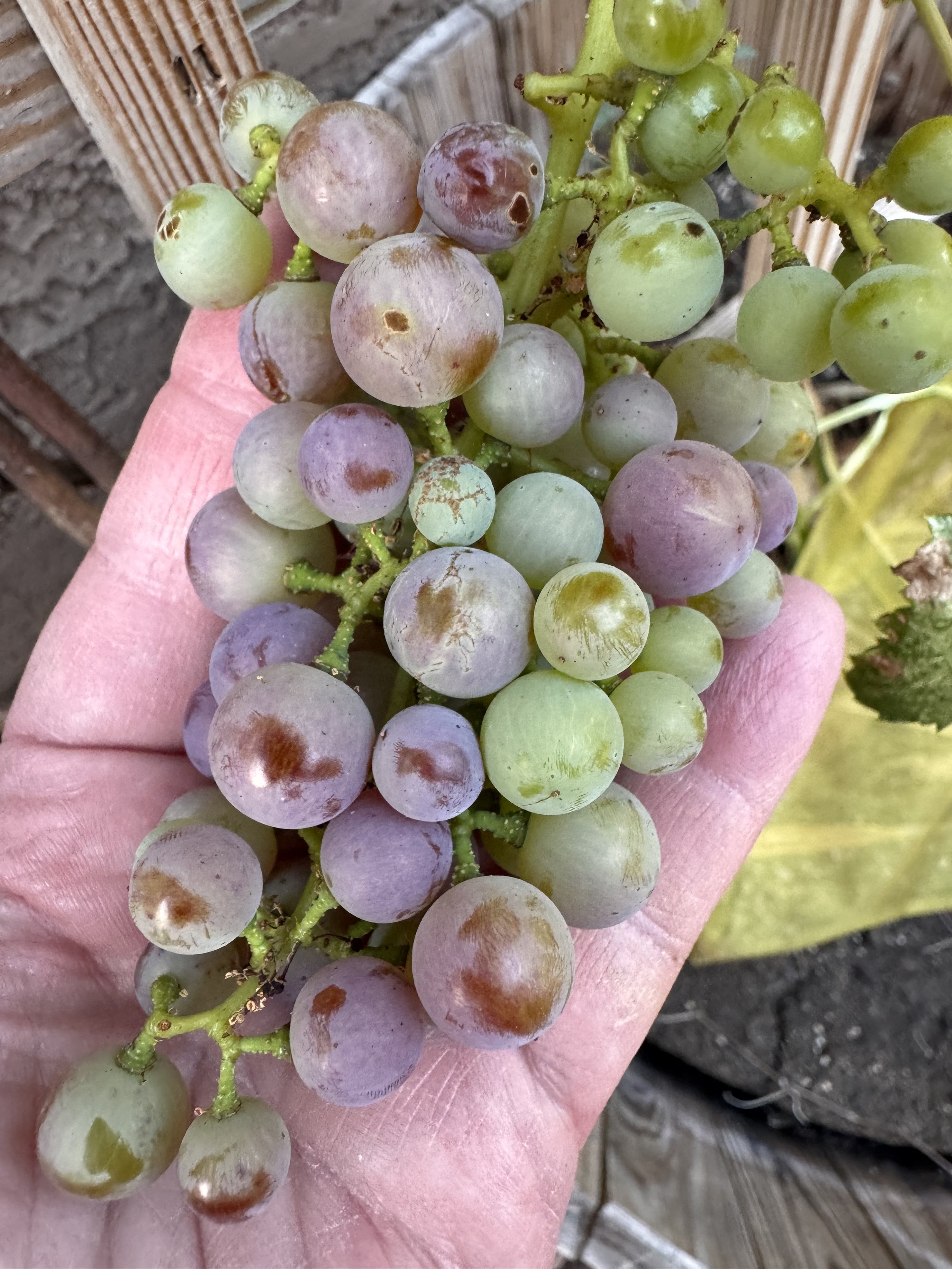
After my corneal transplant surgeries, I began planting an orchard in the Arizona desert — one tree, one plant at a time. Soon there were carrots, potatoes, tomatoes, corn, and fruit trees growing in a place where none seemed to have any obvious reason to thrive. In a way, the orchard coaxed me back into the light. It gave me something living to tend while my own two eyes were still healing — something beyond myself to water, nurture, watch, and wait for. “I planted an orchard where life inside me grew.” Somewhere along the way, that became true. As I tended new life outside of me, I was slowly learning how to tend the life within me, too.
Latte Art & Small Pleasures
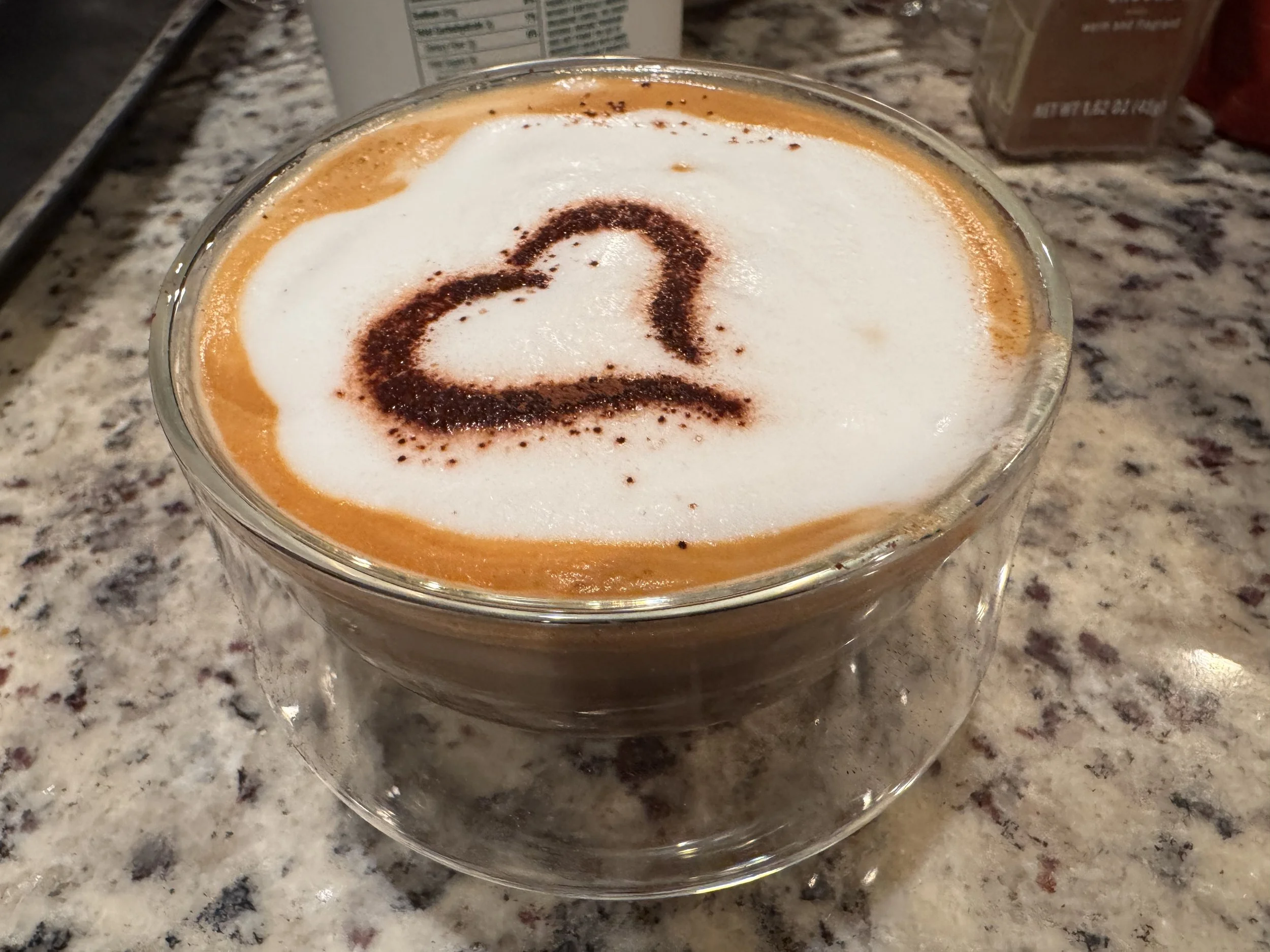
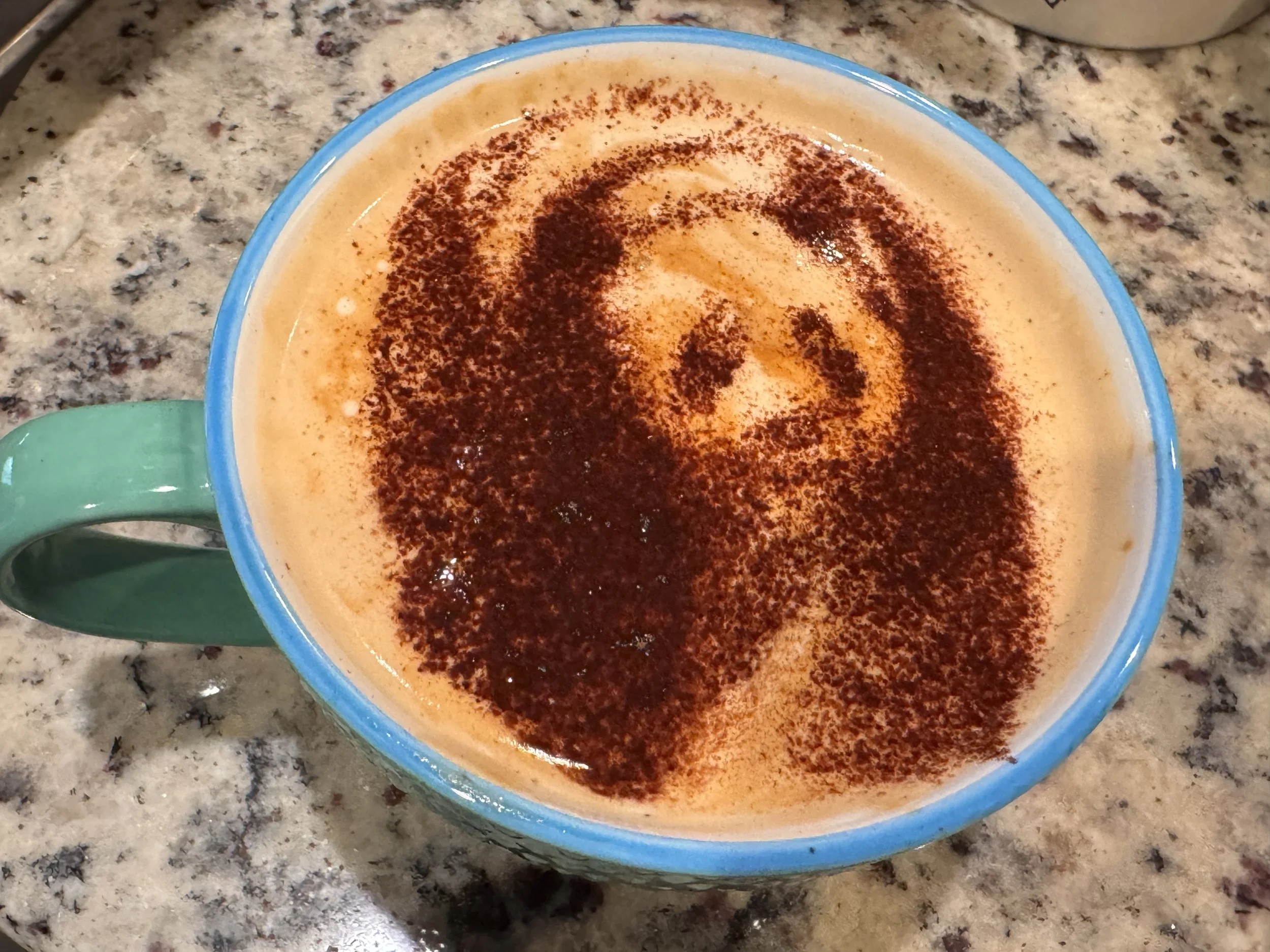
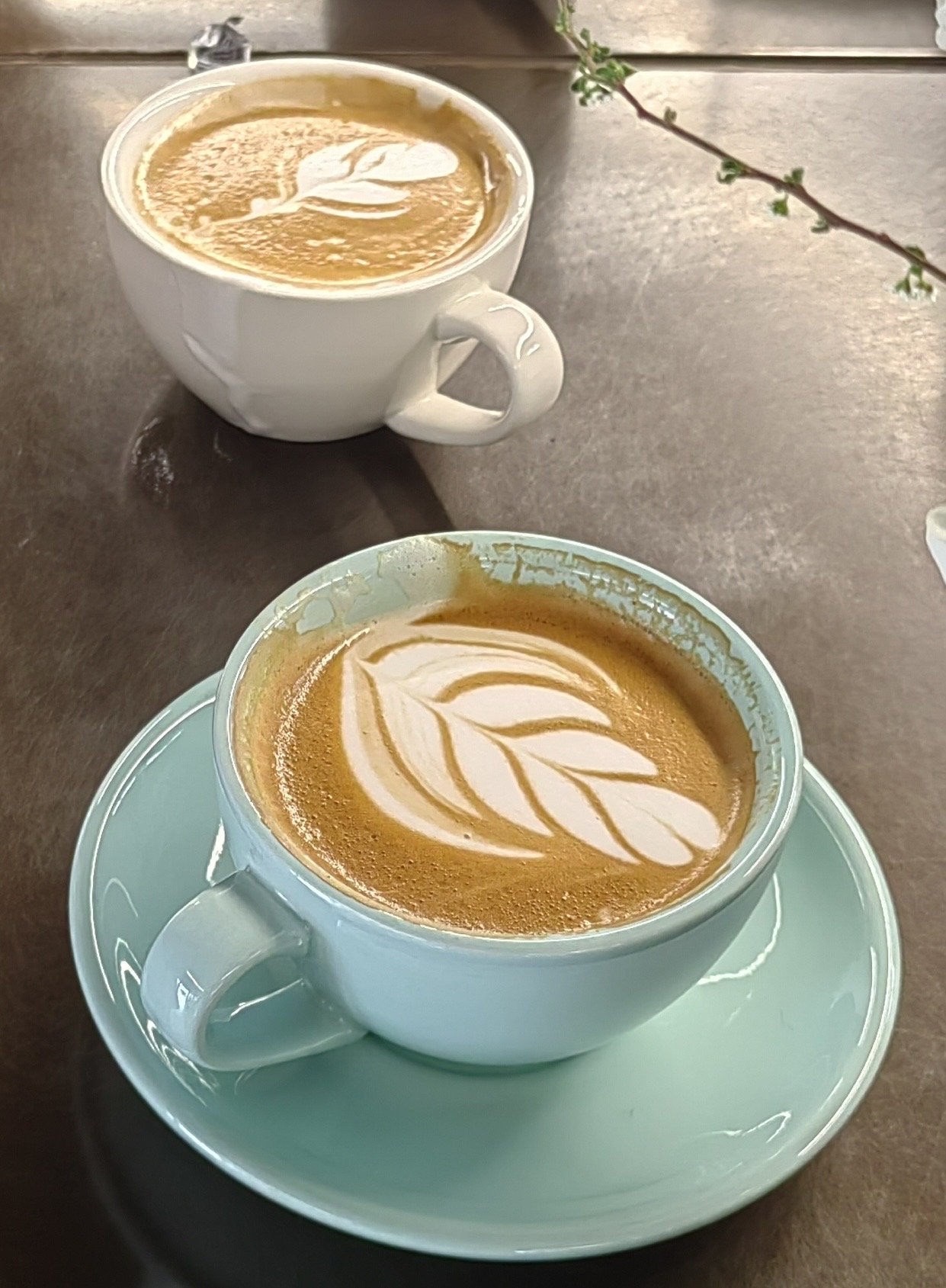
Espresso has been a quiet through-line across every place I've taught — Prague, Florence, Kunming, and plenty of places in between. Learning to make a little art in a cup of coffee is a small, specific joy, and I’ve never quite grown out of it.
Painting
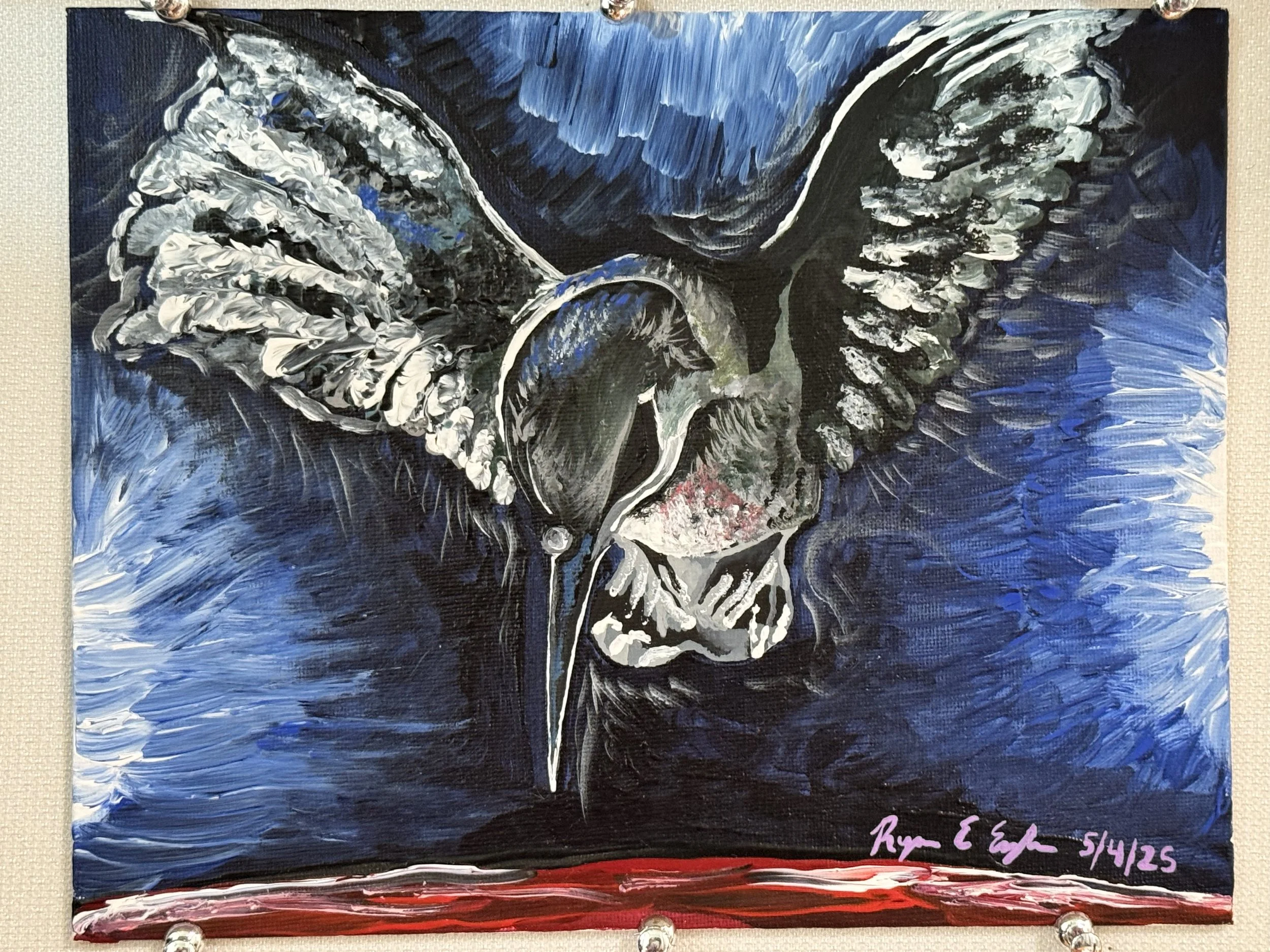
I was an artist long before my vision changed. After my corneal transplant surgeries, returning to the canvas became another way of finding my way back to something I loved — but my relationship with seeing, and with creating what I saw, had changed. This hummingbird was one of my first paintings after transplantation, recreated in acrylic from a photograph I had taken at my own feeder. My style had changed. My brushstrokes felt more energized — almost as if they could hum like the wings of the bird I was trying to capture. I wasn’t learning how to paint again. I was discovering how I painted now.
The Story Behind PostcardsA chapter I never expected.
A story I needed to tell.
In 2024, I lost much of my vision and underwent corneal transplant surgeries in both eyes. What followed was about far more than learning to see again. I was learning how to live in a world that looked different, while trying to understand who I was becoming within it. Recovery came in moments, some of them unexpectedly small and enormous at the same time. Seeing a hummingbird in brilliant blue became one of them — a moment when I understood that I wasn’t returning to the visual world I had known before. I was discovering a different one. During that time, Derek Hough shared a few words with me in response to my journey — words I haven’t been able to put down since. They didn’t change what was happening, but they gave me something to hold onto while so much of my life, and my understanding of myself, was changing. Eventually, I began writing. What started as a way to make sense of what had happened became Postcards from Life’s Passenger Seat — a story about sight, certainly, but even more about identity, belonging, and finding meaning in a life that did not return to what it had been before. In a roundabout way, that journey became part of the reason this website exists at all.
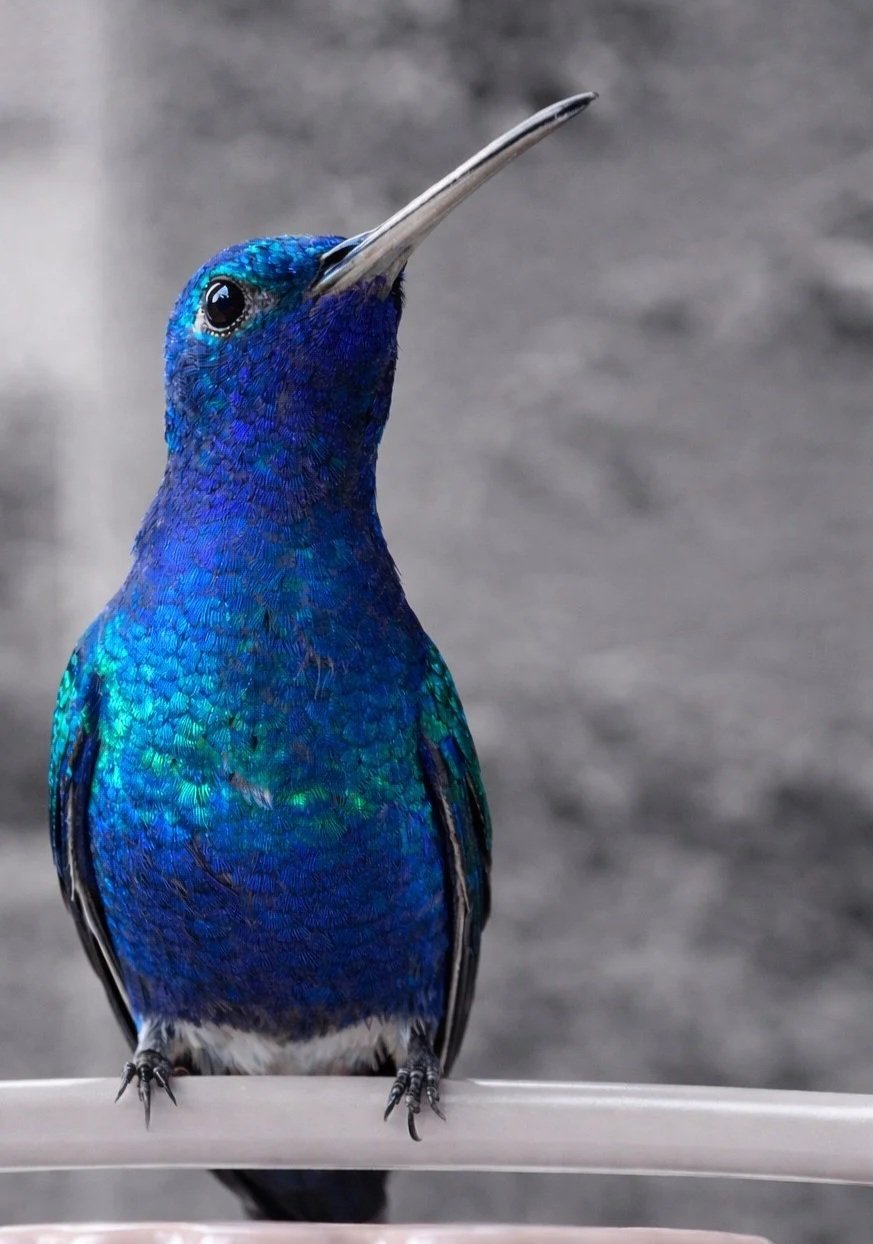
For months, color had existed more in memory than in the world around me. Then there was this hummingbird. I could see him — really see him — in brilliant blue. It was one of the biggest milestones of my recovery. I wasn't returning to the visual world I had known before. I was discovering a different one — and somehow, one whose vibrance had been dialed up.
“You may have lost your sight, but you never lost your vision.”
Derek HoughMost are grafted — one living branch joined to another tree's rootstock.
Two living things. Different. Yet willing to become something new together.
The graft must take. And then it must be trusted.
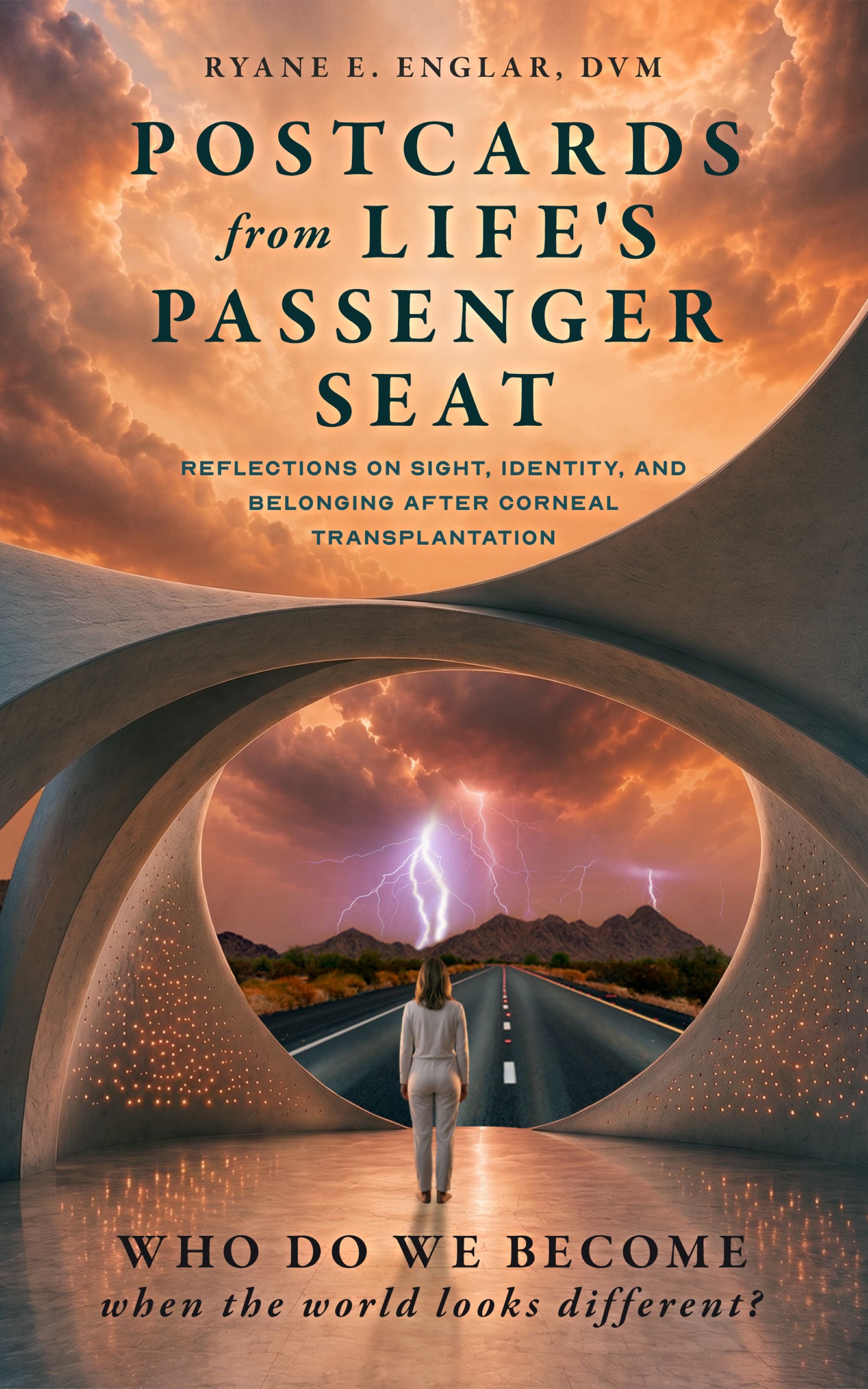
Postcards from Life's Passenger Seat
Reflections on Sight, Identity, and Belonging After Corneal Transplantation
A MemoirThe Music behind the Story
Through Borrowed Light began with lyrics I wrote alongside Postcards — another way of giving language to the journey through vision loss, transplantation, identity, and becoming. I partnered with TimelessSongs to bring those words into music, creating a companion to the story that lives beyond the pages of the book.
Accessibility as COMMUNICATIONThoughtful design says: you were considered.
My experience with vision loss changed the way I understand accessibility. I learned how much the smallest design choices can determine whether someone is invited into an experience or quietly excluded from it. That understanding shaped this website — from typography and contrast to color, legibility, and the way information is organized. Accessibility isn't a checklist added at the end. It is part of how I communicate, how I teach, and how I think about belonging. Thoughtful design is one more way of saying: you were considered before you arrived.
“What if we stopped evaluating people solely by what they’re producing? What if we became more curious about what they’re carrying?”
Ryane E. Englar
Warmly, Ryane
Ryane E. Englar, DVM, DABVP (Canine and Feline Practice) . drenglar.com